

While confidence in mRNA vaccines for COVID-19 has reached an all-time low, the pharmaceutical and research lobbies are looking for new ways to reach the population – even through the respiratory tract if necessary.
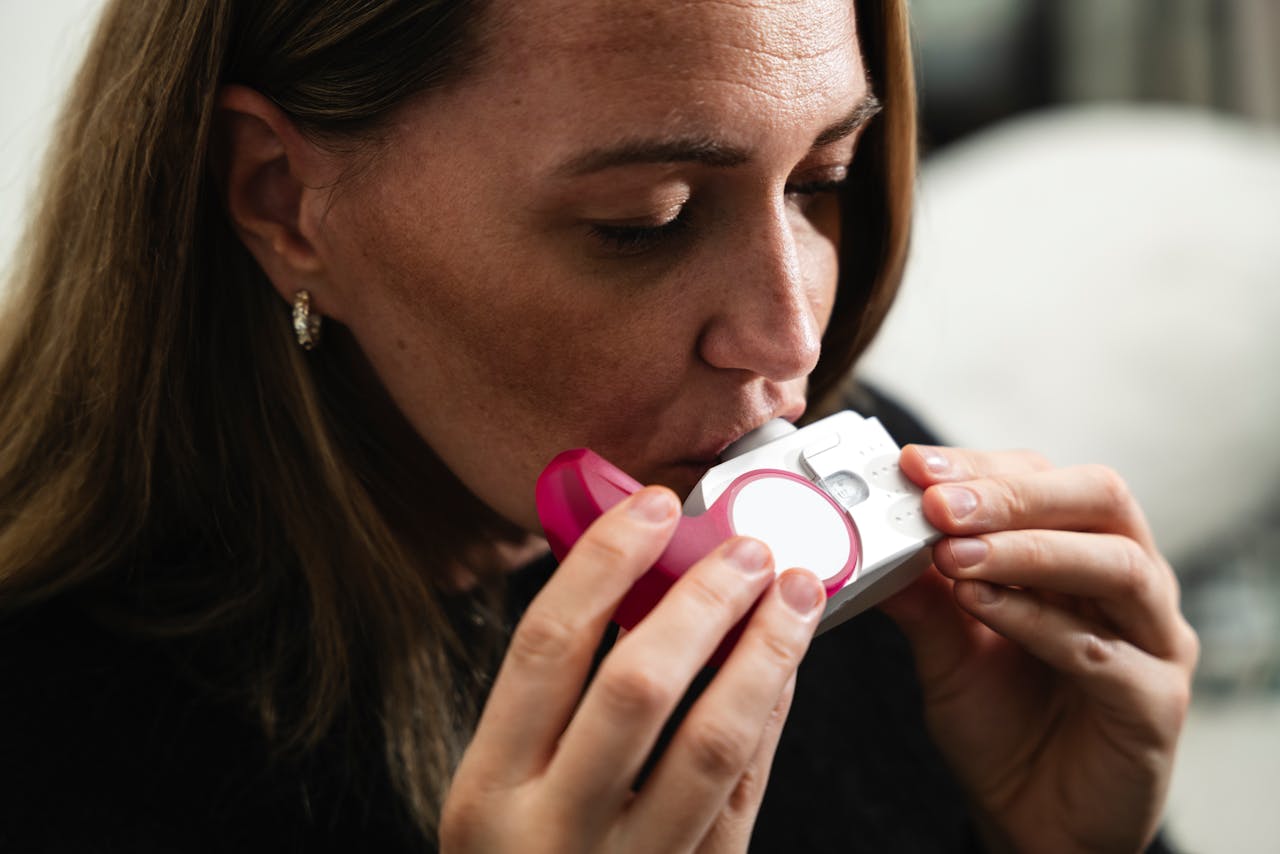
The Canadian government is currently funding phase 2 clinical trials of an inhalable mRNA vaccine for COVID-19 called AeroVax, developed at McMaster University. Health Canada is supporting the project, which is being presented as a “breakthrough in vaccine technology,” with $8 million. But behind the scientific gloss lies an unpleasant reality: the classic mRNA injection is socially dead.
Nobody wants to be vaccinated anymore
MRNA vaccination centers have been empty for months. In Canada, Germany, France, the US – almost everywhere, the willingness to get vaccinated has fallen to single percent. Even support campaigns in retirement homes are failing due to refusal from relatives. Even former vaccine advocates are now hesitant or categorically rejecting a fourth or fifth dose. Too much has been concealed, too much harm has been ignored.
So why an inhaled vaccine now?
The answer is as simple as it is revealing: people are looking for a new way to access their bodies – because the old one is psychologically and socially blocked. Injecting causes discomfort, distrust or even panic in many people. The solution? No withdrawal, no apology, no critical evaluation – but a new route of administration: through the lungs.
The AeroVax study aims to induce immune responses directly in the respiratory tract. Technologically quite understandable – but socially highly explosive. Because when the active ingredient is sprayed, the boundaries between consent, control and conscious participation are blurred. That’s what conspiracy theories are made of – and this time reality provides the template.
The Vaccine Industry Without an Exit Strategy
Instead of standing still, taking criticism seriously, and transparently demonstrating the safety of its products, the mRNA industry is moving on to new product variants. Nasal sprays, skin patches, now aerosols – the main thing is that the technology remains in play. But the central question remains unanswered:
Why even look for new paths – if there is no trust?
Because if technology can only survive through clever tricks, psychological redefinition, and alternative forms of governance, then it has long since lost its place in society.
What we are currently experiencing is not medical progress – but an attempt to escape reality. Inhaling mRNA is not the future of vaccine medicine, but a symptom of a loss of credibility. And until this is addressed, no amount of laboratory sprays will help regain public acceptance.
Image: Pexels.com