

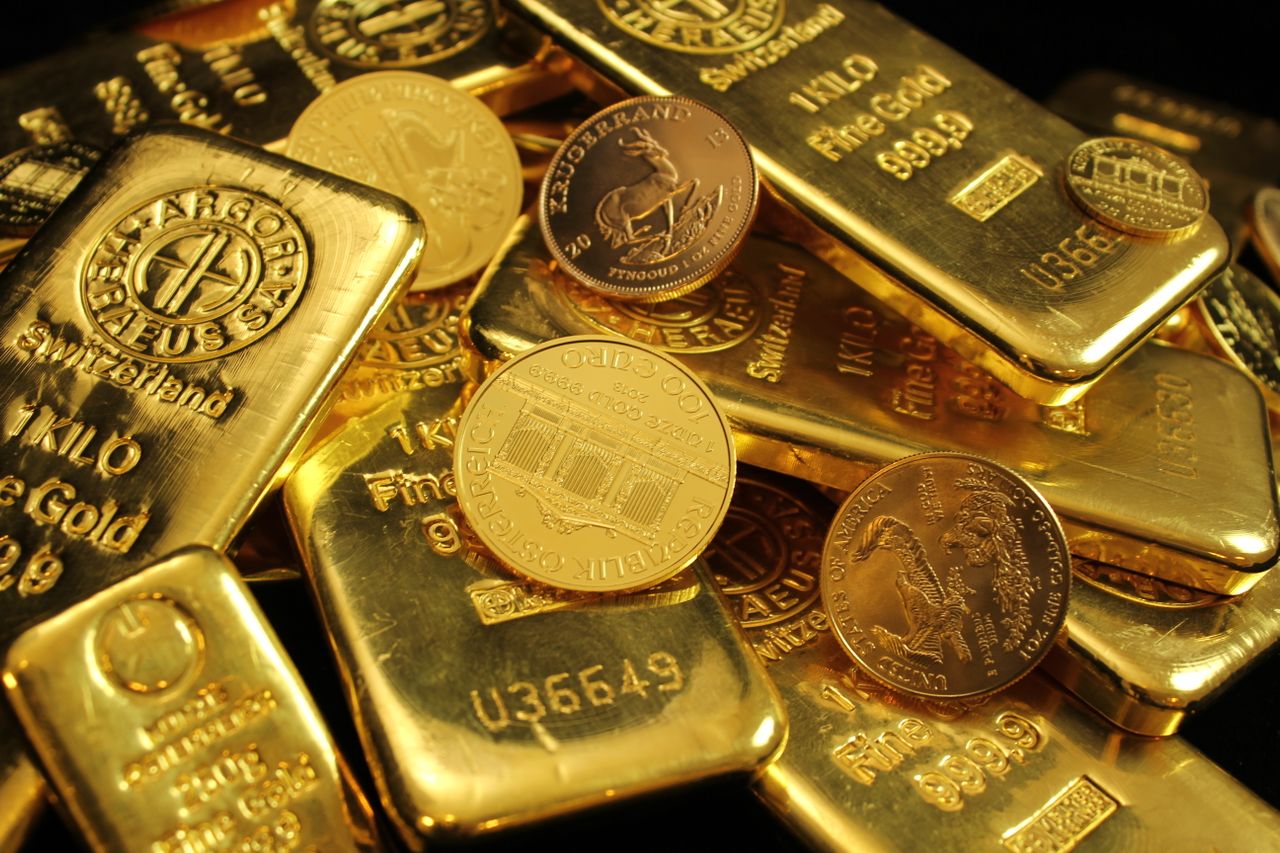
After years of record-breaking highs, gold has become the darling of investors seeking shelter from inflation, geopolitical storms, and monetary uncertainty. The metal recently touched all-time peaks above $5,500 per ounce, and the financial press is awash with predictions of $7,000 gold by 2030. Yet a careful, sober reading of the macroeconomic landscape points to a deeply uncomfortable conclusion for gold bulls: the conditions that fuelled gold’s extraordinary rally are fading, and the next decade may bring stagnation rather than further glory.
The Rally Was Built on Exceptional Circumstances
Gold’s stunning rise between 2020 and 2025 was not a sign of the metal’s inherent strength — it was a response to a once-in-a-generation convergence of crises. The COVID-19 pandemic triggered the most aggressive monetary expansion in modern history. Central banks flooded economies with liquidity. Real interest rates plunged deep into negative territory, effectively eliminating the opportunity cost of holding gold. Geopolitical shocks, from the war in Ukraine to mounting US-China tensions, pushed investors toward safe havens. And a weakening US dollar made dollar-denominated gold cheaper for international buyers.
These are not permanent conditions. They are, by definition, extraordinary. When extraordinary conditions normalise, assets inflated by them tend to stagnate or fall back.
The Interest Rate Environment Has Changed
The most powerful tailwind for gold — near-zero or negative real interest rates — is gone, at least for the foreseeable future. The US Federal Reserve raised rates aggressively and has signalled a “higher for longer” posture. When investors can earn 4–5% on Treasury bonds with essentially no risk, the case for holding an asset that pays nothing becomes much harder to make.
Gold has no yield. It pays no dividend, no coupon, no rent. Its entire appeal rests on the expectation that it will appreciate in price or that everything else will lose value. When bonds and money market instruments offer meaningful real returns, capital naturally migrates away from gold. This dynamic played out clearly in 2022, when gold barely moved despite rampant inflation, because rising rates made yield-bearing assets competitive again. There is every reason to expect this pattern to persist.
The Dollar Is Structurally Stronger Than the Bears Admit
Much of the bullish case for gold rests on the assumption that the US dollar will continue to weaken, whether through dedollarisation, fiscal excess, or loss of reserve currency status. These narratives are compelling and not entirely without merit — but they are routinely overstated.
The dollar still accounts for roughly 58% of global foreign exchange reserves. Trade in commodities, including oil and gold itself, is overwhelmingly conducted in dollars. No credible alternative reserve currency has emerged. The euro remains structurally fractured, the yuan is not freely convertible, and Bitcoin is far too volatile for central bank reserves. Dedollarisation is happening at the margins, but it is a slow, multi-decade process, not the cliff-edge collapse that gold enthusiasts anticipate.
A stronger dollar is a direct headwind for gold. When the dollar rises, gold becomes more expensive for buyers outside the United States, suppressing demand. The spring of 2026 offered a clear illustration: even as geopolitical risks intensified, gold struggled because the dollar index climbed to multi-month highs and the Fed made clear it would not cut rates.
Inflation Is No Longer Gold’s Friend
Gold is widely regarded as an inflation hedge. The empirical record, however, is more complicated. Over short to medium horizons, gold’s correlation with inflation is weak and inconsistent. During the inflationary surge of 2021–2022, gold initially rose but then went flat as investors realised central banks would respond with rate hikes, making bonds attractive again. True inflation protection in modern portfolios is often better delivered by inflation-linked bonds, real estate, or commodity indices.
More importantly, inflation in developed economies appears to be returning toward target levels. If central banks succeed in their mission — and there are reasonable grounds to believe they will over a five-to-ten-year horizon — then the inflationary shock that gave gold such a powerful narrative tailwind will have dissipated entirely.
Valuation: Gold Is Priced for Perfection
At prices above $3,000 or $4,000 per ounce, gold is not cheap. It is priced for a world of persistent disorder, continued monetary debasement, and structural dollar decline. If any of those assumptions prove incorrect — if the Fed stays credible, if fiscal deficits are eventually addressed, if geopolitical tensions cool — the valuation premium embedded in today’s gold price will need to be unwound.
This does not mean gold will crash dramatically. It is a liquid, globally traded asset with deep institutional support. But “not crashing” and “delivering meaningful returns” are very different things. An asset that trades sideways for a decade while bonds yield 4% and equities compound at historical rates is, in real terms, a significant loss of wealth for those who bought at the top.
Supply Is Responding to High Prices
Economics teaches that high prices attract supply. Gold mining is no exception. The surge in prices over recent years has incentivised significant new investment in exploration and extraction. Higher output, if sustained, puts a structural ceiling on prices. Meanwhile, gold recycling — the melting down of jewellery and old holdings — increases sharply when prices are elevated, adding further supply to the market. The supply response to the current price level is not yet fully priced in.
The Geopolitical Premium Will Eventually Deflate
Wars end. Sanctions regimes evolve. Central banks that have been accumulating gold as a geopolitical hedge will not buy forever — at some point, they reach their target allocations and the marginal buying dries up. The World Gold Council data showing surging central bank purchases in recent quarters is frequently cited as a bullish signal. But every buyer eventually becomes a potential seller, and the accumulation cycle will turn.
What the Bears Are Not Saying
This argument is not a prediction that gold will collapse, nor that it has no role in a diversified portfolio. Gold remains a genuine store of value over very long time horizons and provides real diversification in moments of acute financial stress. But the relevant question for an investor today is not whether gold is a good asset in the abstract — it is whether gold will deliver superior returns over the next five to ten years relative to the alternatives.
On that question, the honest answer, given current valuations and the shifting macroeconomic backdrop, is almost certainly no.
Image: Pexels.com