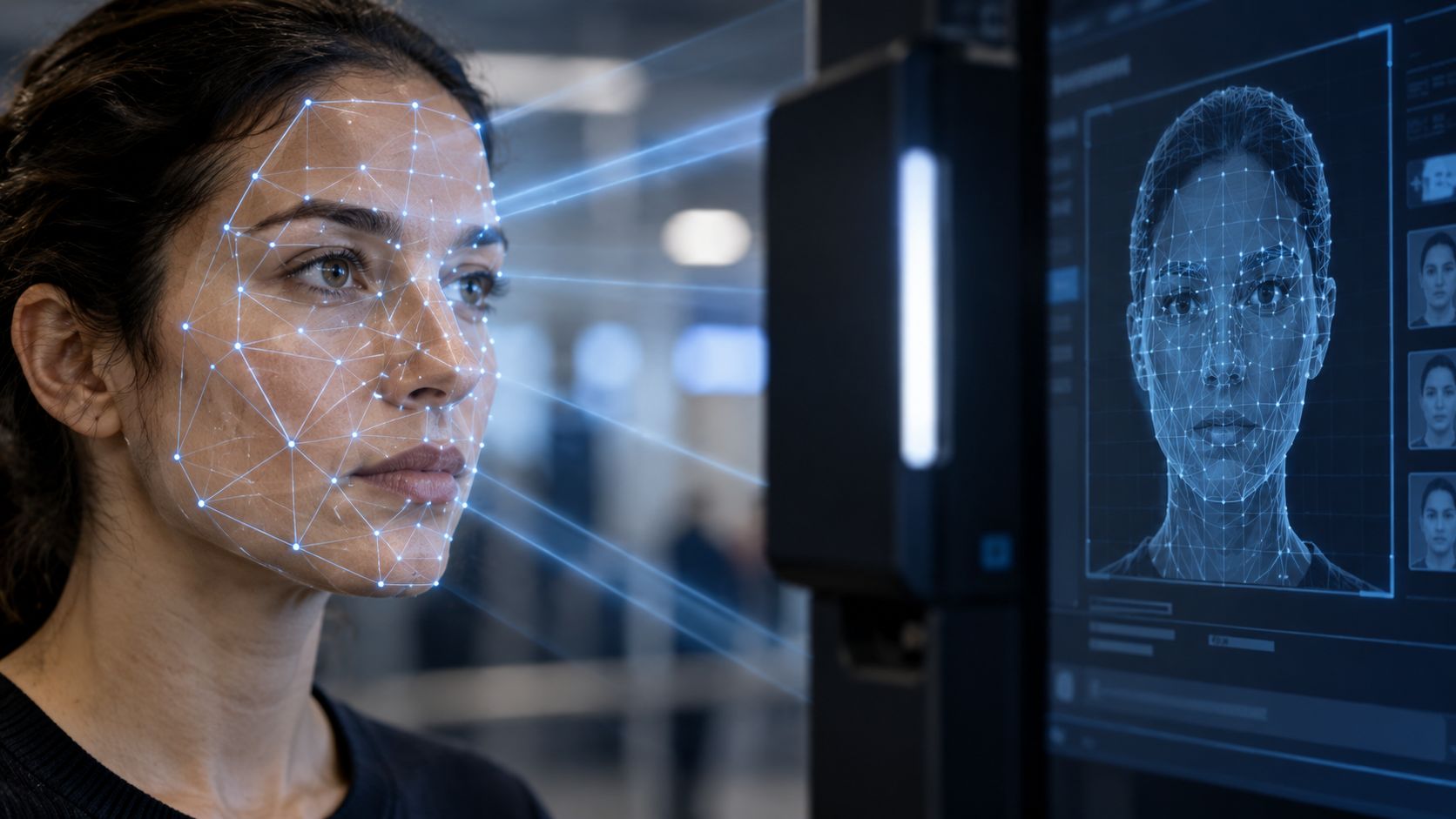


Visa, one of the world’s largest payment service providers, has unveiled plans that are unlikely to catch anyone’s attention – and yet could represent the most radical restructuring of our consumer behavior since the invention of online shopping. According to a report by the Associated Press (AP), Visa is currently developing so-called AI agents that will in the future be able to make purchases on behalf of users. Whether it’s clothes, food or airline tickets – an algorithm will take care of it.
What sounds like futuristic convenience is actually the next logical step into a dehumanized, automated consumer world in which self-determination is replaced by machine efficiency.
The new reality: AI shopping for you – but also for you?
Visa is praising the project as a solution to simplifying everyday life. An AI agent will “learn” what you need and automatically buy it for you. Access to your credit card information is a prerequisite for this.
Of course, Visa promises security measures and data protection. But the story is familiar: people are gradually giving up control, while corporations are gaining power over decision-making and data.
It is already clear today that where algorithms intervene, people often just follow them. If AI decides our spending in real time, who is still the subject of the action – and who is just a data set?
Consumption on autopilot – with systemic risks
Every other headline about faulty judgment, bias or cyberattacks by AI shows that autonomous systems are fallible. If in the future a digital agent decides when to debit your account, a programming error or hack is enough to cause financial chaos – while Visa, as a platform provider, still profits from the transaction.
Even more explosive: Who controls what AI considers “appropriate”? Who will ensure that these systems do not become behavioral control and subtle coercion – for example, through hidden product, brand or dealer network preferences?
The Big Picture: Creeping Dispossession Through Technology
Visa is not an isolated case. In a world where people control their homes through smart systems, outsource their thoughts to chatbots and let algorithms manage their leisure time, it stands to reason that money – the last area of personal sovereignty – should now be managed by machines.
All that remains is the human as a user. As an account. As a passive participant in an infrastructure that keeps itself running – and makes decisions without regard to humans.
Convenience as a Pretext for Control
Visa sells AI agents as an innovation, but in reality they are just another link in the chain of digital disempowerment. Those who delegate their finances today out of convenience may find that there is no way back to personal responsibility tomorrow.
One becomes a supporting actor in one’s own consumer theater – directed by an invisible, self-learning system that pretends to know better what one wants.
Source: https://apnews.com/article/ai-artificial-intelligence-5dfa1da145689e7951a181e2253ab349
Image: Pixabay.com