

On April 26th, it will be exactly 40 years since the explosion at the Chernobyl nuclear power plant caused a nuclear disaster. That day and the days that followed probably remember very well all of us who were not small children at the time.
In some countries, they subsequently plowed the barely sprouting crops, but in our country, of course, the situation was rather light-hearted. However, the explosion at that time affected a large part of Europe, where a radioactive cloud soon spread.
The area around Chernobyl was evacuated and to this day, no one is allowed to live there. This area is now a great example of what any currently inhabited place would look like after people had left it for decades.
Many animals live on the contaminated soil, which is allegedly still too dangerous for human life.
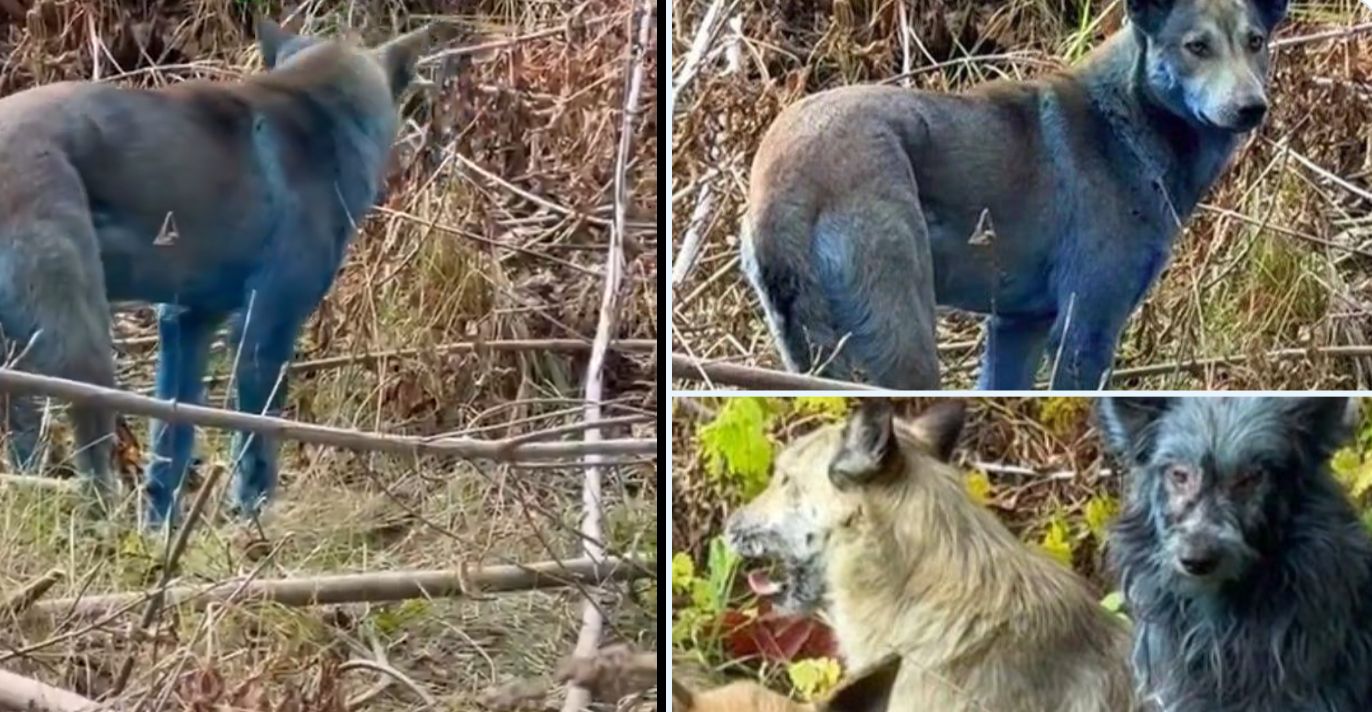
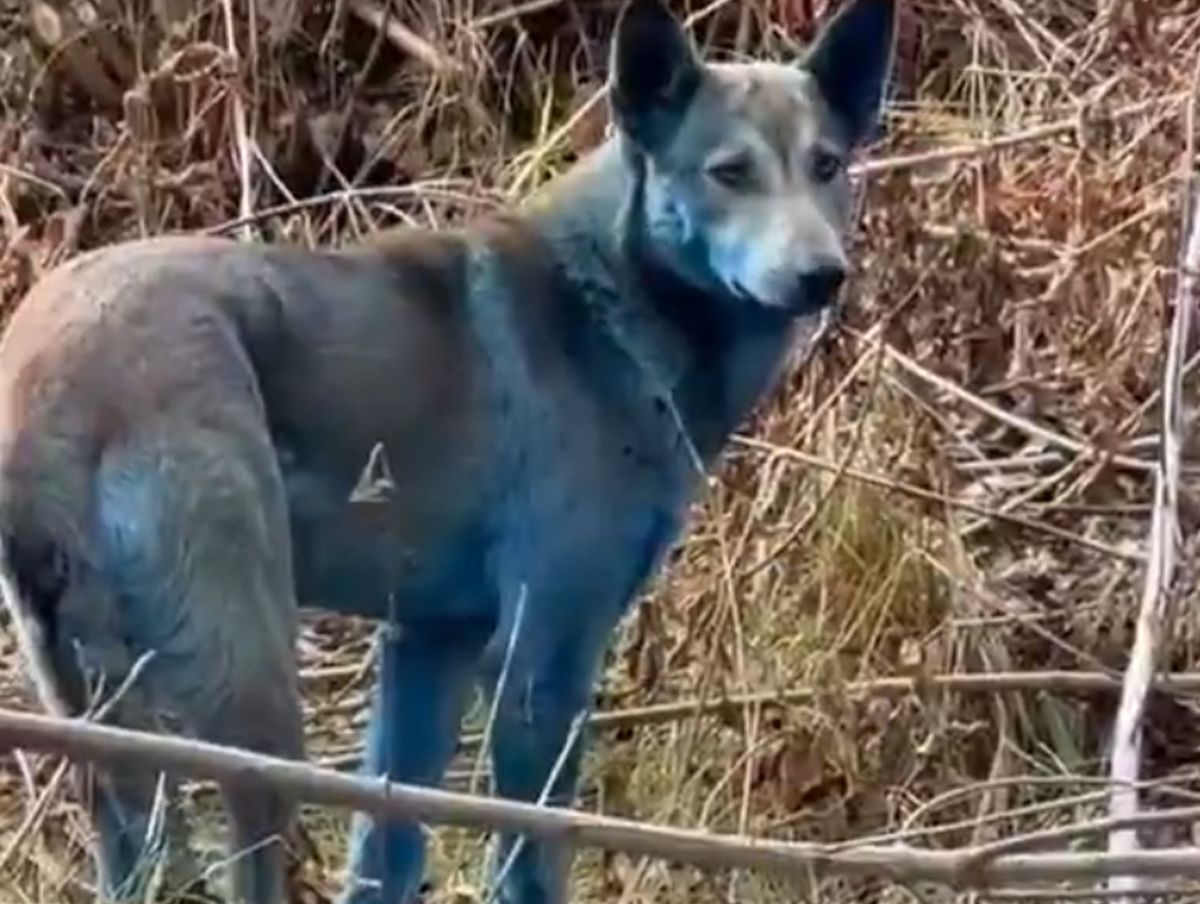
The blue dogs in Chernobyl are supposedly not colored like this due to radiation, but according to some claims, it is a dye that is used, for example, in portable toilets.
Previous genetic studies have shown that the Chernobyl dogs are descendants of pets left in the area after the 1986 disaster. Over four decades, they have developed resistance to radiation and heavy metals.
Volunteers in the Chernobyl zone have discovered packs of dogs with bright blue fur:
😳 Blue dogs spotted in Chernobyl
Volunteers in the Chernobyl Exclusion Zone have discovered packs of dogs with bright blue fur, Daily Mail reports. According to researchers, the animals appear healthy and active despite their unusual coloration.
Scientists believe that… pic.twitter.com/6cBPBW9vpi
— NEXTA (@nexta_tv) October 28, 2025
Researchers say the animals appear healthy and active despite their unusual coloring…
Przewalski’s horses graze in the Chernobyl exclusion zone—a zone larger than Luxembourg. Wolves roam the no-man’s-land in Ukraine and Belarus, and brown bears have returned after more than a century.
Populations of lynx, elk, deer, and even free-roaming packs of dogs have rebounded.
A quasi 40 anni dal disastro, Chernobyl è un ecosistema unico. Cavalli di Przewalski, lupi e orsi bruni ripopolano la zona di esclusione tra Ucraina e Bielorussia. Senza la presenza umana, la natura ha riconquistato le città fantasma. pic.twitter.com/c1ZfvbPFpY
— LaPresse (@LaPresse_news) April 20, 2026