
Freedom clashes with the cost of “safety.”
Meta Platforms’ recent pivot toward content moderation has reignited the debate about advertisers’ excessive influence in shaping the digital landscape. While CEO Mark Zuckerberg has recently pushed for loosening restrictions on speech, accusing legacy media of censorship and accusing fact-checkers of undermining public trust, the reality is that advertisers remain the most powerful force dictating what users see—or don’t see—on major platforms like Facebook and Instagram.
But let’s not get carried away.
In a conference call with advertisers on Jan. 17, Meta’s executives assured brands of their continued commitment to “brand safety” and offered tools to ensure ads don’t appear near content deemed inappropriate. Samantha Stetson, Meta’s head of advertising, explained, “We are 100% committed to brand safety.” But the statement stands in stark contrast to Zuckerberg’s rhetoric about strengthening user rights and dismantling restrictive policies that have dominated social platforms for years.
This tension between free speech and censorship-driven advertising reveals an inconvenient truth: platforms like Meta are reliant on billions of dollars in advertising dollars from advertisers who demand a clean environment for their brands. The result is a chilling effect on free speech, as platforms preemptively suppress content to avoid upsetting corporate sponsors. While Zuckerberg talks about encouraging open dialogue, Meta’s reliance on advertising revenue ultimately supports a form of censorship that goes far beyond government intervention.
Advertisers as Gatekeepers
For years, the relationship between platforms and advertisers has followed a predictable pattern: brands demand stricter moderation of what they deem “offensive content,” and platforms comply to keep their ad revenue flowing. This dynamic exploded during Donald Trump’s first presidency, as platforms sought to distance themselves from political controversies.
The pressure peaked in 2017, when ads from well-known brands appeared alongside political videos on YouTube.
Rather than challenge the idea that platforms should be held accountable for user-generated content, tech companies complied. They implemented extensive measures to filter, dissect, and remove content that advertisers deemed objectionable, regardless of whether that content violated the law or simply violated prevailing norms. This has given brands enormous power to dictate the boundaries of acceptable speech online—power they have exercised with little transparency or accountability.
The move away from strict censorship on Meta is a small course correction, but advertisers are making demands. With the introduction of tools like “Community Notes” and a hands-on approach to policing subjective expressions like “hate speech,” brands are worried that their ads could be shown on content they don’t like. Monika Bickert, Meta’s vice president of content policy, tried to allay those concerns by explaining the new approach. For example, statements like “women shouldn’t be allowed to serve in combat” are now allowed under Meta’s rules—a change that advertisers are reportedly unhappy with.
But this just goes to show how much control advertisers have over what users can and can’t say.
Censorship in the name of “brand safety”
What Meta calls “brand safety” is actually corporate censorship. Advertisers use threats of withdrawal of funding to force platforms to accommodate their preferences, thereby restricting public discourse. While Meta claims to favor open dialogue, the company’s reliance on advertising revenue means that its policies are always biased toward the narrowest and most dangerous version of speech.
This practice has far-reaching social consequences. The very concept of “brand safety” is subjective and politically charged, and is often used to counter statements that challenge dominant narratives or reflect unpopular views.
The advertising departments of large corporations view “hate speech” and “disinformation” as legitimate concerns; advertiser bias has stifled nuanced conversations on issues ranging from politics to culture. Instead of fostering an environment in which diverse perspectives can flourish, platforms like Meta ultimately prioritize corporate sensibilities over the free exchange of ideas.
Boycott as a weapon
The growing influence of advertisers has turned brand safety into a political weapon. Conservative politicians and commentators are increasingly accusing ad agencies and brands of silencing right-wing media outlets through boycotts.
These accusations gained traction last year, when Elon Musk’s X filed an antitrust lawsuit against advertising associations and major brands, accusing them of illegally colluding to blacklist the platform.
Musk’s lawsuit followed a report by the House Judiciary Committee that alleged that advertisers had violated antitrust laws by withholding spending from conservative outlets.
While advertisers have every right to decide where their money goes, their actions often amount to mild censorship. By threatening boycotts, they create economic incentives for platforms to suppress controversial or dissenting views. Social media is not like traditional media. In traditional media, advertisers can find suitable shows and movies to promote their content—something that fits their brand. But on social media, where everyone has (or should have) a voice, advertisers should make concessions.
This strategy of avoiding what they consider controversial not only stifles free speech, but also deepens ideological divisions, as certain views are effectively erased from mainstream platforms because they no longer have a way to survive financially.
The Washington Post’s revelation that 40% of its content is deemed “dangerous” at any given time shows how harmful this system has become. Entire sections of articles are routinely deducted from ad revenue because algorithms misinterpret certain words. A reference to “explosion” in an article about fireworks? Prominent. The term “viral” in an article about internet trends? Blacklisted. This type of crude, context-insensitive filtering not only hurts publishers, but fundamentally undermines the diversity and depth of information available to the public.
Worse, blacklists like Microsoft’s, which reportedly include thousands of words like “attack,” “Biden,” “Trump,” and “racism,” are emblematic of a system that prevents advertisers from engaging in meaningful reporting on social issues. These tools were designed to protect brands from risk, but their overuse has inadvertently turned them into a mechanism for suppressing critical conversations about politics, culture, and world events.
The rise of brand safety as a dominant concern for advertisers can be attributed in part to the efforts of activist groups trying to get brands to sever their ties to certain content—particularly conservative news sites like Breitbart and The Daily Wire. While these groups often describe their campaigns as fighting “disinformation” or “hate speech,” their tactics often involve what many see as outright censorship, using economic pressure to suppress views they disagree with.
One of the first and most notorious examples came in 2016, when the Sleeping Giants movement emerged after the US presidential election. The group encouraged its followers to take screenshots of Breitbart ads and publicly shame brands on social media, demanding that they remove their ads from the site. The campaign quickly gained momentum, leading to a widespread blacklisting of Breitbart and sparking similar efforts targeting other right-wing media outlets.
The mechanics of press campaigns
The strategy behind these campaigns is simple but effective. By targeting advertisers—often through public shaming on platforms like Twitter—activist groups exploit the fear of negative PR to force brands to act. The result is a cascade of corporate responses, with companies scrambling to avoid even the slightest association with content that could be perceived as controversial. While presented as a way to hold companies accountable, this tactic has also led to a reduction in the scope of editorial content allowed online. Many conservative websites have seen their advertising revenue plummet not because they violated platform rules, but because they were deemed too controversial by activist groups and the brands they influence.
What makes these campaigns particularly effective is their reliance on adtech tools like keyword blocking, which were originally developed to help brands avoid harmful or inappropriate content. Once activists flag a website or keyword, it is often added to blacklists that advertisers use to avoid placing their ads near content deemed risky. Over time, this process has created a self-reinforcing cycle in which conservative websites are blacklisted not because they violate the rules, but because they have been targeted by activist campaigns.
While these efforts are often hailed by their supporters as victories over extremism or misinformation, the broader implications are much more complicated. By encouraging the widespread adoption of blunt tools like keyword blocking and blanket website blocking, these campaigns have contributed to an advertising ecosystem that is far more punitive than its intended targets.
These efforts often involve reputable conservative websites that adhere to journalistic ethics. Websites like The Daily Wire, which cover a mix of political and cultural issues, have had significant difficulty generating advertising revenue because they are blacklisted by activists. This has forced many sites to rely on alternative revenue sources, such as subscriptions, which can limit their reach and accessibility.
Advertising cartels that exacerbate the problem
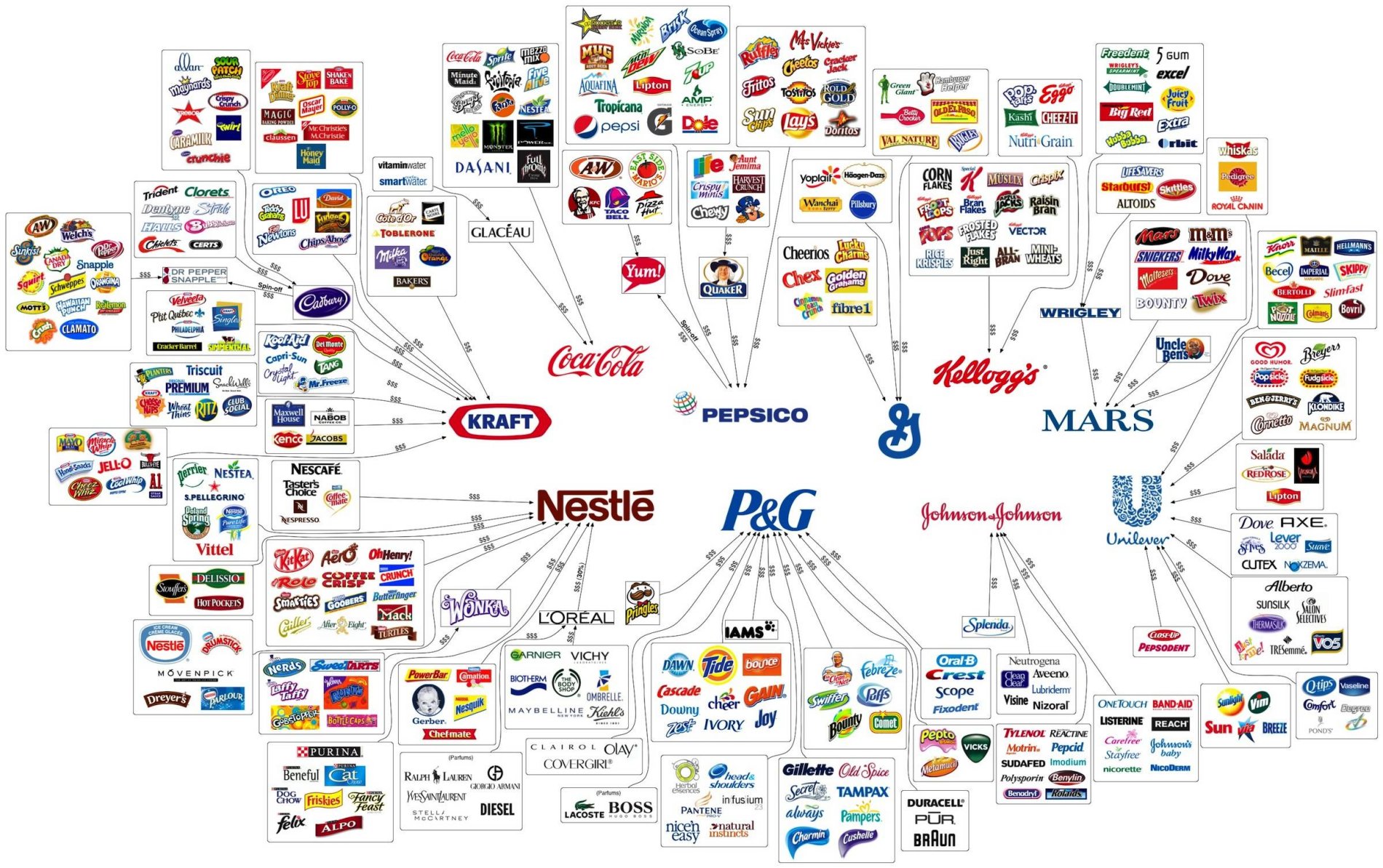
The Global Alliance for Responsible Media (GARM), an industry consortium founded in 2019 under the auspices of the World Federation of Advertisers (WFA), has positioned itself as a pioneer in shaping how brands handle digital content. GARM is made up of some of the world’s largest advertisers—including Coca-Cola, Unilever, and Procter & Gamble—as well as major platforms like Meta, Google, and TikTok, and claims to be working to create a “responsible” digital media ecosystem. But GARM operates less as a force for accountability than as an “advertising cartel,” using its collective power to enforce sweeping standards that stifle free speech, particularly news and opinion-based content.
GARM’s guidelines are enforced through ad technology tools that widely employ keyword blocking, content filtering, and blacklisting. These tools, which align with GARM’s priorities, disproportionately impact news publishers by undercutting stories that report on real events, regardless of context. For example, a publisher reporting on humanitarian crises or global conflicts may find that their stories are flagged for containing terms like “violence” or “war,” even though those stories are essential to public perception.
This approach not only hurts publishers financially, but also affects the type of content that platforms promote. Social media algorithms, influenced by advertisers’ preferences for a “brand-safe” environment, often de-emphasize news content to avoid the risk of showing ads. The result is that lighter, entertainment-oriented material is highlighted while serious news is sidelined.
GARM’s standards have essentially created an ecosystem in which important, sometimes inconvenient stories are penalized while shallow stories thrive.
Critics have also pointed out that GARM’s guidelines disproportionately disadvantage certain types of content and media outlets, particularly conservative outlets. Media outlets like Breitbart and The Daily Wire have long been the focus of ad boycott and blacklisting efforts, often led by activists who claim that the sites are spreading “harmful” or “divisive” content. GARM’s guidelines enable and legitimize these campaigns by institutionalizing a set of brand safety standards that are inherently subjective and often ideologically biased.
This is not to say that left-wing or mainstream news outlets are entirely spared—news content of all kinds suffers from the overly broad application of GARM’s standards. However, the criteria used by the alliance tend to reflect the cultural and political preferences of the companies involved, which generally represent more progressive or centrist values. This has led to accusations that GARM, whether intentionally or not, contributes to a form of ideological censorship that excludes dissenting voices.
One of the most troubling aspects of GARM has been its sheer concentration of power. By bringing together major advertisers and dominant technology platforms under one roof, GARM acts as a quasi-regulatory body capable of dictating terms for the entire digital media ecosystem. This concentration gives the Alliance extraordinary leverage over publishers, who must either comply with the Alliance’s security standards or risk losing access to important advertising revenues.
Unlike traditional regulators, GARM has operated with minimal transparency and no accountability to the public. Its decisions are driven by the interests of multinational corporations rather than democratic processes, raising concerns about the lack of checks on its influence. The result is a system in which a handful of powerful actors can set the rules for online speech, effectively circumventing traditional protections for free speech.
The Battle of Language Over Profit
Zuckerberg’s rhetoric about loosening content restrictions is a step in the right direction, but until platforms break free from their reliance on advertisers, true freedom of expression online will remain an illusion.
The impact of this shift goes beyond publishers’ financial woes—it is fundamentally changing the type of content that thrives online. As brands increasingly shy away from political and controversial content, publishers are under immense pressure to tone down their coverage or avoid some topics altogether. For many, the incentive is clear: either create brand-safe content or risk being cut off from ad spending altogether.
This dynamic perpetuates a cycle of corporate censorship, in which the pursuit of advertising revenue stifles meaningful journalism and limits the diversity of perspectives available to the public.
Source:
https://uncutnews.ch/grosse-marken-und-der-stille-krieg-gegen-andersdenkende-unternehmens-gesteuert-zensur-setzen-sich-fort/
https://reclaimthenet.org/big-brands-and-the-quiet-war-on-dissent