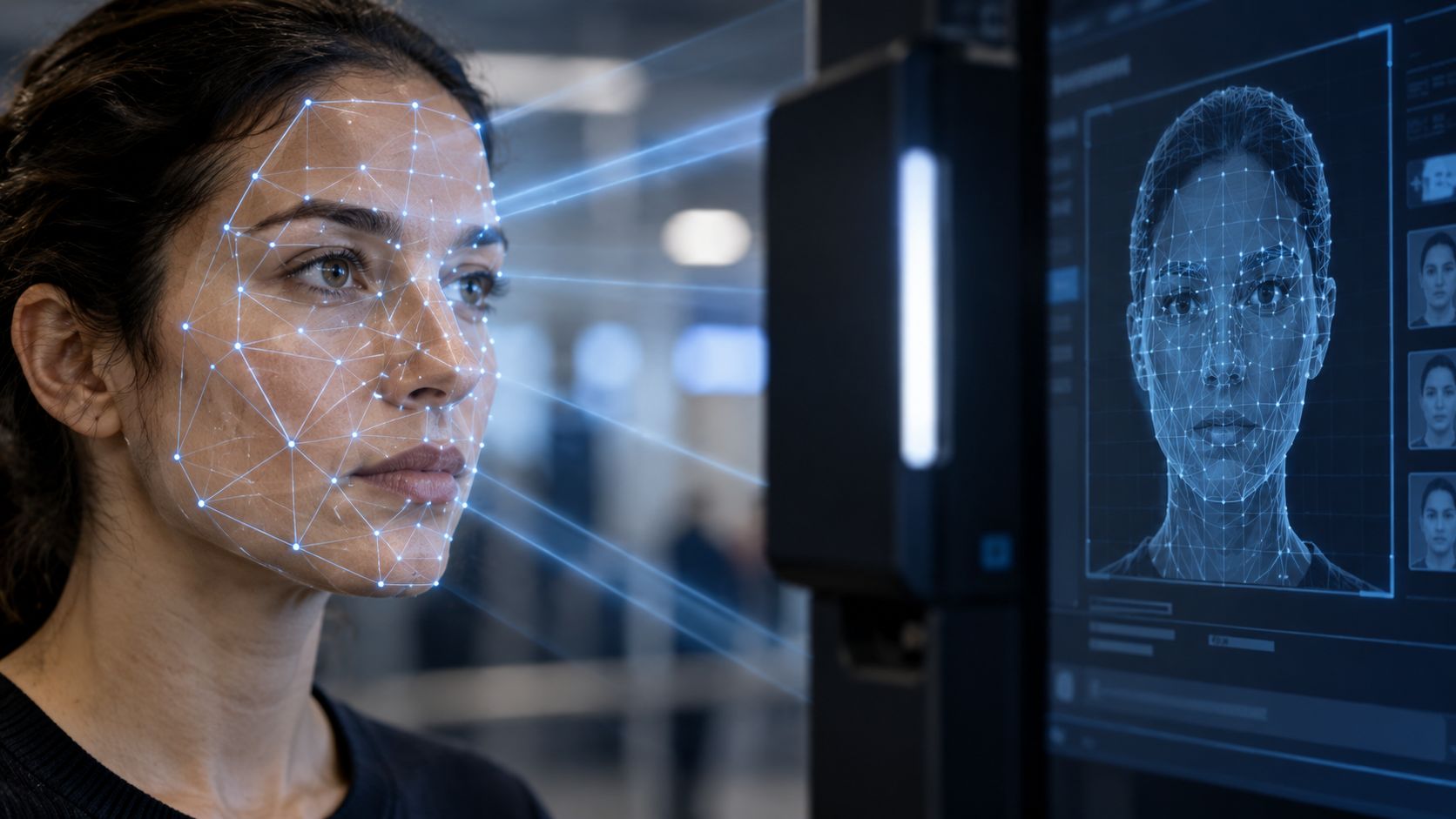


In a public statement, 371 computer scientists and cybersecurity experts from 30 countries, the initial signatories, warn of the dangerous side effects of age verification as an access barrier on the internet. They urge policymakers to tackle the problem at its root: the “algorithmic practices” of networks and the lack of suitable tools for parents.
By Norbert Häring @norberthaering
Anja Lehmann is the contact person for the group in Germany. She is a professor at the non-profit research institution Hasso Plattner Institute, where she heads the Cybersecurity and Identity Management department. She is also responsible for advanced cryptography in the German EUID wallet project, where she is working to enable this European identity wallet to anonymously verify age and other attributes. René Mayrhofer from the Institute of Networks and Security at the University of Linz is the contact person for Austria, and Carmela Troncoso from the Max Planck Institute for Security and Privacy in Bochum is the contact person for Switzerland.
The statement reads (in my translation):
“We are writing to you in response to the worldwide initiatives to introduce age verification technologies designed to control access to internet services. We share the concern about the negative impact that harmful online content can have on children and welcome the fact that regulators worldwide are investing time and effort to protect them. However, we fear that if the new regulation is implemented without a careful assessment of the technological risks, it could do more harm than good.”
Among the feared harms, the researchers state:
“Current discussions about the need to regulate social media, AI chatbots, or instant messaging would require all users—minors and adults alike—to prove their age in order to communicate with friends and family, read news, or search for information; this goes far beyond anything that has ever happened in our offline lives.”
Furthermore, they point out that access to information and communication platforms can offer significant advantages for many minors who are excluded, and is crucial for some, for example, to overcome isolation. They also note that there is no guarantee that age verification will even work and actually address the problems they are intended to solve. The researchers fear that many young people and adults will turn to dubious, unregulated platforms and could fall victim to malware and scams.
The computer experts warn that “an infrastructure is being created that could be misused to block access to internet services for reasons unrelated to security.” For these and other reasons, they are calling on policymakers to implement a moratorium on mandatory age verification until it is clear whether the benefits truly outweigh the risks.
They emphasize that there are more effective measures that address the root causes without these side effects. These should be implemented first. This includes preventing the use of manipulative and addictive algorithms that constantly bombard users of these platforms with new, highly stimulating content. Parents should also be given effective tools to protect their children from harmful online content.
Note: Since September 2025, my X account has apparently been subject to reach throttling. Therefore, please don’t assume you’ll see all my articles on X if you follow me there. Instead, subscribe to my free email newsletter for new blog posts or check back there occasionally. Thank you.
Source: https://x.com/norberthaering/status/2028771590385611121