
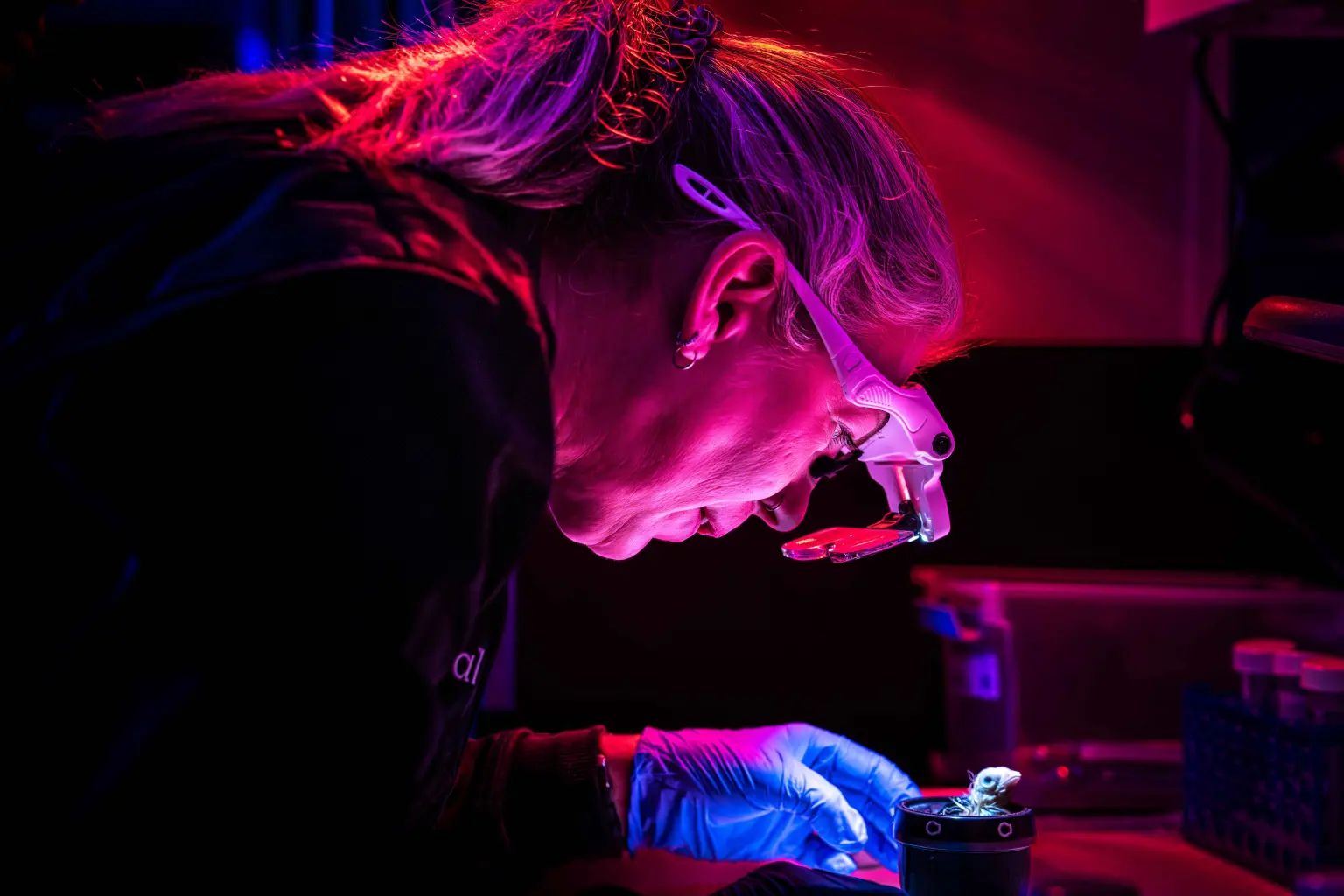
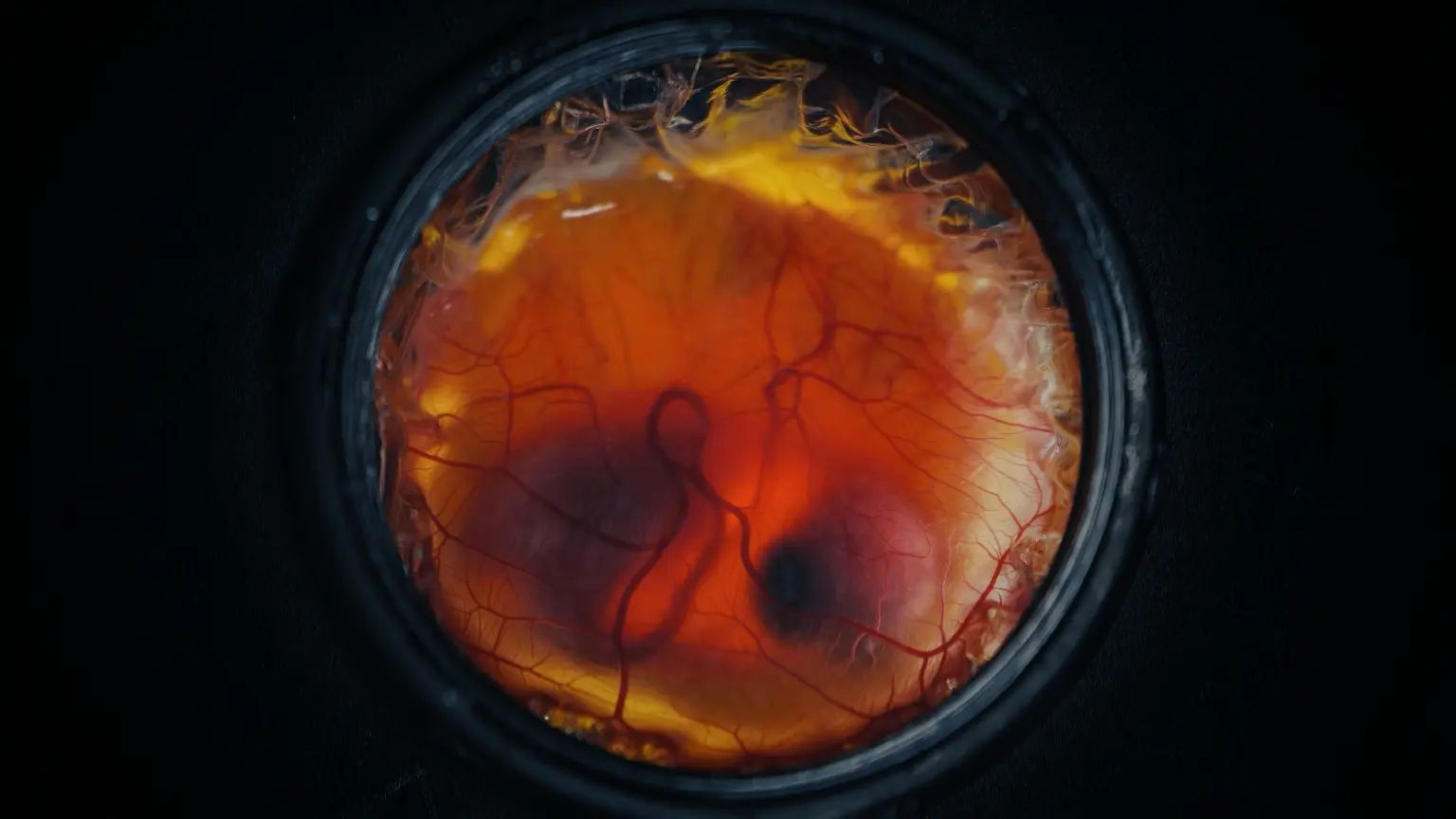
According to a report in the New York Post, biotechnology has entered a new dimension: A Texas company has hatched live chicks for the first time from completely artificial, 3D-printed eggs—no shells, no hens, no natural incubation process. But what is being touted as a scientific miracle raises a much bigger question for critics: Is life finally becoming an industrial platform for large biotech corporations?
According to the report, the same technology is already being used to revive extinct giant birds, such as the colossal moa. The reason is that there is no living animal large enough to incubate such embryos—so an entirely artificial system is being created for the purpose.
🇺🇸 A Texas biotech company just hatched 26 live chicks from 3D-printed artificial eggs with no shells and no hens.
First time in history a complete bird embryo developed in a fully artificial system.
And that’s just the warm-up.
Colossal Biosciences is using this same tech to… pic.twitter.com/VIHsYmerwH
— Mario Nawfal (@MarioNawfal) May 20, 2026
This is crossing a line that was previously considered untouchable: Reproduction is gradually being separated from nature and placed in the hands of private biotechnology companies. Critics warn that artificial embryonic systems are just the beginning. Today, chickens are created without hens and extinct birds are reborn on laboratory platforms – tomorrow, the same technologies could be used for patented livestock, genetically modified organisms or even artificial human reproduction.
What is particularly explosive here is not only the technology itself, but also the question of ownership behind it. Once corporations control biological processes, they also control patents on genes, breeding lines, artificial breeding systems and entire life cycles. Life thus risks being transformed from a natural process into a licensed industrial product.
Under the euphemistic buzzword of “reviving extinction,” a new bio-industry is effectively developing, in which companies could not only edit DNA but also decide which species are created, reproduced, or commercially exploited. The real question is no longer whether humans can create artificial life—but rather who will own that life in the future.
Main image: Christopher Klee (Colossal Biosciences)