

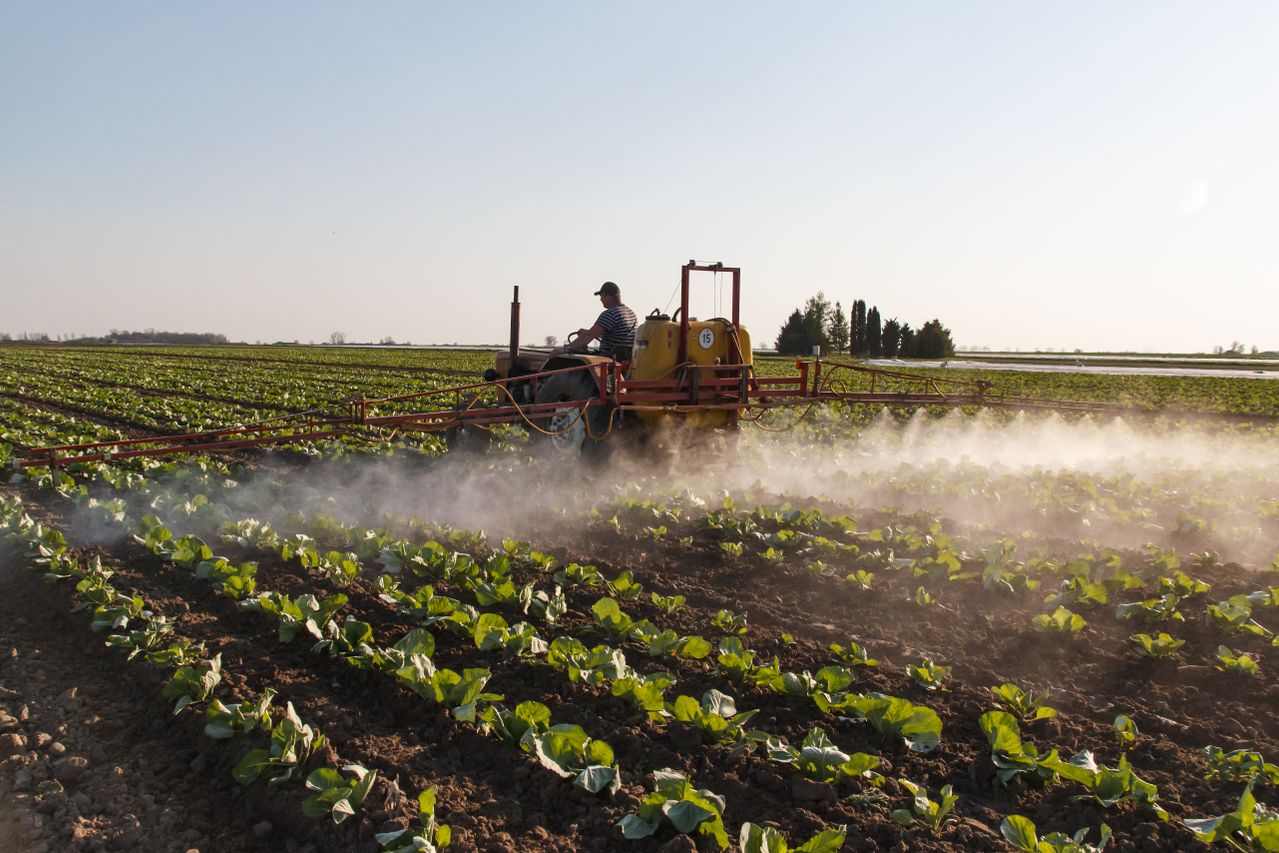
Almost half of the planet’s 934 million agricultural laborers suffer an unintended pesticide poisoning at some point each year. A new analysis puts the figure at somewhere between 402 and 433 million cases annually — numbers that researchers say reveal a public-health emergency that has largely stayed out of view.
The research, carried out by the Pesticide Action Network and published in Frontiers in Public Health, drew on 214 scientific studies spanning 2006 through 2023 and cross-referenced them with World Health Organization death records from 139 countries. Roughly 11,000 people die from these poisonings every year, and India accounts for close to 60 percent of that death toll on its own. A previous review from 2020 had already estimated 385 million annual cases, and the new figures suggest the problem has only grown — largely because so many incidents still go unrecorded.
The Global South Carries the Heaviest Load
The damage isn’t spread evenly. Poorer nations, where workers often go without protective clothing, clean water for rinsing off chemicals, or nearby medical care, bear the brunt of it. The regions with the most reported non-fatal poisonings are Southern Asia, Southeast Asia, and Eastern Africa. Burkina Faso stands out as the most extreme case in the entire study: nearly 84 percent of its farmers are poisoned by pesticides in a given year.
Jayakumar Chelaton, who directs PAN India, described the toll in human terms rather than statistics — pointing out that ordinary farming families are paying a steep price for exposure to these chemicals. He singled out paraquat, a highly hazardous pesticide, as a major factor behind severe poisoning cases across South Asia, calling the situation one that can no longer be brushed aside.
Most exposure happens through the skin — while workers mix chemicals, spray crops, brush against treated plants, or clean equipment that hasn’t been properly decontaminated. Sprayers that leak, punishing heat that makes wearing full protective gear unbearable, and the absence of anywhere to wash up afterward all compound the risk, especially in hot, humid farming regions.
Beyond the Death Toll: A Bigger, Quieter Problem
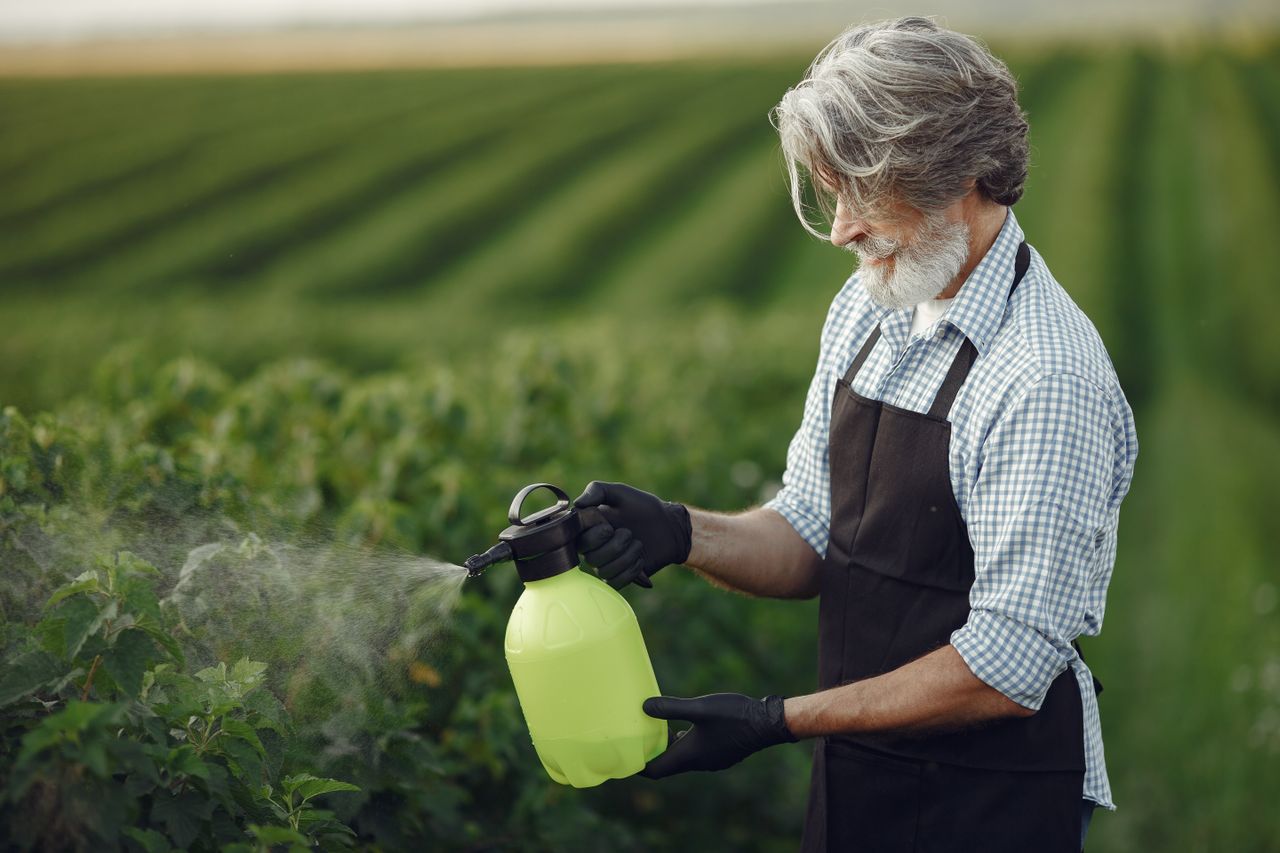
According to the study’s authors, health policy has zeroed in on fatalities while largely overlooking the much larger population of workers who survive poisoning but suffer real harm — headaches, nausea, vomiting, rashes, and other acute symptoms. There’s also a slower danger: repeated low-dose exposure that shows no obvious symptoms at first but can eventually develop into chronic disease.
Susan Haffmans, a senior pesticide policy adviser at PAN Germany, argued that the sheer volume of non-lethal poisonings shows that counting deaths alone badly understates the crisis, and said society can’t keep treating illness among the people who grow our food as an acceptable cost of doing business.
Notably, the study’s numbers don’t even include an estimated 84 million children working in agriculture worldwide — a group considered especially susceptible to chemical harm — nor rural households sickened by drift from nearby sprayed fields.
A Growing Problem Made Worse by Weak Oversight
Worldwide pesticide use has more than doubled since 1990, even as the evidence of harm keeps mounting. A significant share of that increase traces back to contract-farming deals that require growers to use particular chemical products, often leaving them reliant on the very companies selling those pesticides for advice, since impartial guidance is hard to find.
Dr. Sheila Willis, who leads international programs at PAN UK, pointed to broken data-collection systems as a root cause of the problem staying hidden for so long — noting that poor healthcare access and a lack of training to identify or log pesticide poisoning cases keep the true numbers under wraps.
PAN UK is now lobbying European regulators to close a loophole that lets manufacturers export pesticides banned at home for health or environmental reasons to countries with looser regulations. The organization is also pushing for a global commitment to eliminate Highly Hazardous Pesticides by 2035 under the Global Framework on Chemicals, alongside support to help farmers shift toward safer, non-chemical methods of protecting their crops.
A Familiar Fight Playing Out in the US
The timing is notable: American lawmakers are currently negotiating a Farm Bill that includes language preventing states and courts from mandating pesticide warnings stricter than what the EPA already requires. Critics see this as an effort to deny American consumers the same kind of transparency this research says farmers around the world are already being denied. When the interests of industry profit and public disclosure collide, disclosure typically comes out on the losing end — leaving both the people who grow our food and the people who eat it in the dark about exactly what they’re being exposed to.
Sources:
Image: Pexels.com