

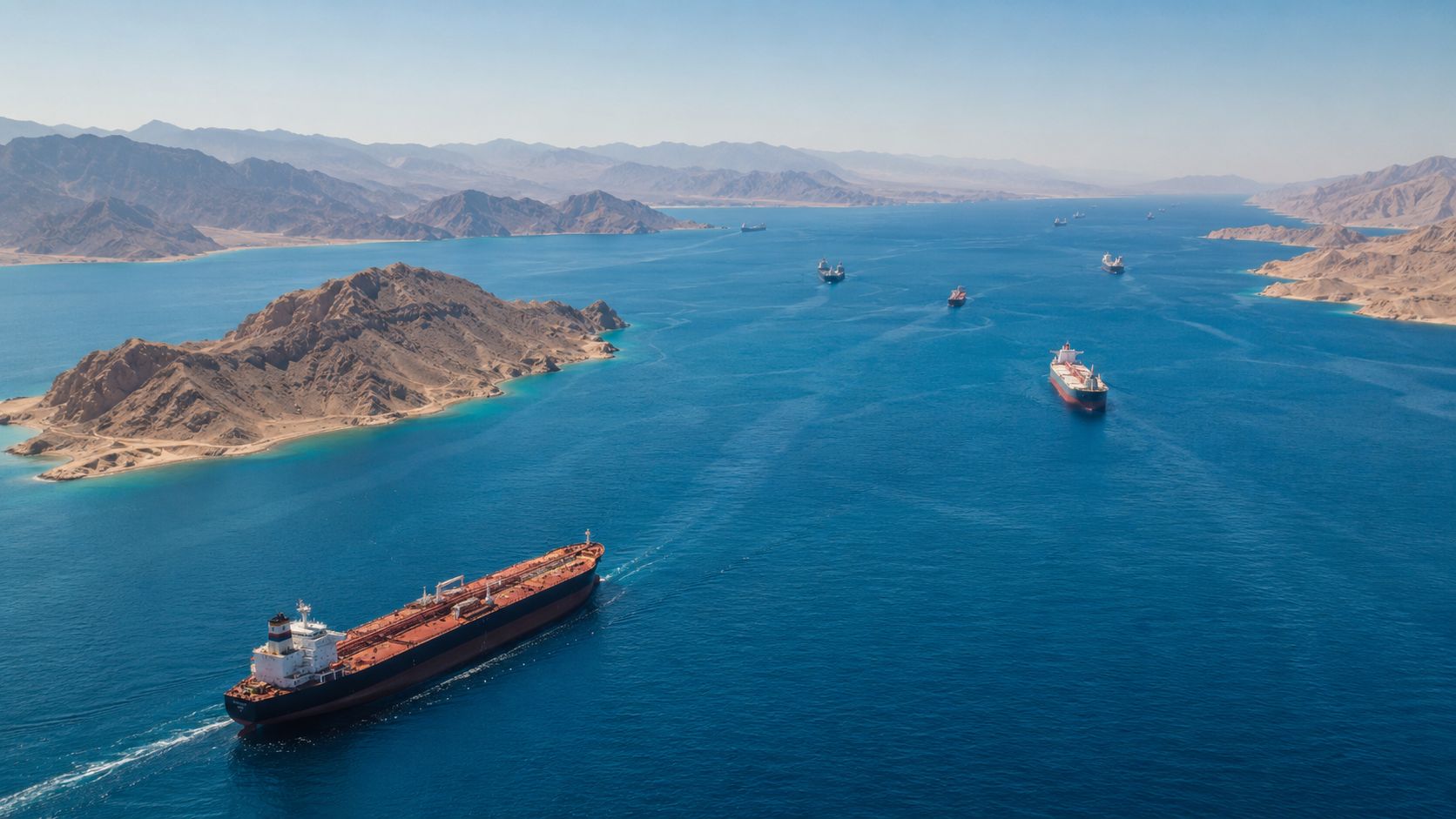
A recent analysis suggests that global oil production is unlikely to return to pre-conflict levels anytime soon—even if hostilities in the Middle East were to end immediately. Experts warn that the recovery of oil supply chains could take several months, prolonging elevated fuel prices and ongoing market instability.
The situation is largely tied to disruptions in one of the world’s most critical energy corridors, the Strait of Hormuz. This narrow waterway is responsible for transporting roughly one-fifth of global oil supply, making it a vital link in the international energy system. With traffic through the strait heavily restricted, the ripple effects are being felt worldwide.
Why Recovery Will Be Slow
According to industry analysts, restoring oil production is not simply a matter of reopening trade routes. Even under ideal conditions, it could take at least seven months for production levels to stabilize after the strait becomes fully operational again. This timeline assumes that infrastructure remains intact and that supply chains can resume normal operations without further complications. However, these assumptions may prove optimistic. Damage to energy facilities, ongoing military tensions, and logistical bottlenecks could extend the recovery period significantly. Continued attacks on oil infrastructure and limited storage capacity in key regions are already complicating efforts to stabilize supply.
Rising Prices and Economic Pressure
The prolonged disruption has already driven oil prices above $100 per barrel, with fuel costs rising sharply for consumers. In the United States, gasoline prices have surged by roughly 50% since the beginning of the conflict, reflecting the strain on global supply.
Higher energy costs are not only affecting households but also putting pressure on broader economic systems. Industries that depend heavily on fuel—such as transportation, manufacturing, and logistics—are facing increased expenses, which may contribute to inflation and slower economic growth.
Strategic Uncertainty in the Strait of Hormuz
Another factor adding to the uncertainty is the geopolitical future of the Strait of Hormuz. Iran has indicated interest in exerting greater control over the passage, potentially introducing fees or new regulations for ships passing through. Such changes could permanently alter global oil trade patterns and increase costs for importing countries.
Additionally, tensions between regional powers and external actors continue to threaten stability in the area. Even if the conflict subsides, the risk of renewed disruptions remains high.
Long-Term Outlook
Energy analysts caution that the longer the disruption persists, the greater the likelihood that the crisis will extend well beyond the near term. In a worst-case scenario, supply shortages and elevated prices could continue into late 2026 or even beyond.
This prolonged instability highlights the vulnerability of global energy systems to geopolitical events. It also underscores the importance of diversifying supply sources and investing in more resilient infrastructure.
The path to normalizing global oil production is expected to be slow and uncertain. While the end of the conflict would be a critical first step, it would not immediately resolve the deeper structural challenges affecting supply. As a result, consumers and businesses alike should prepare for continued volatility in energy markets in the months ahead.
Source: https://nypost.com/2026/05/05/world-news/oil-production-wont-return-to-normal-until-after-midterm-elections-new-analysis-says/
Image: AI